Presentation
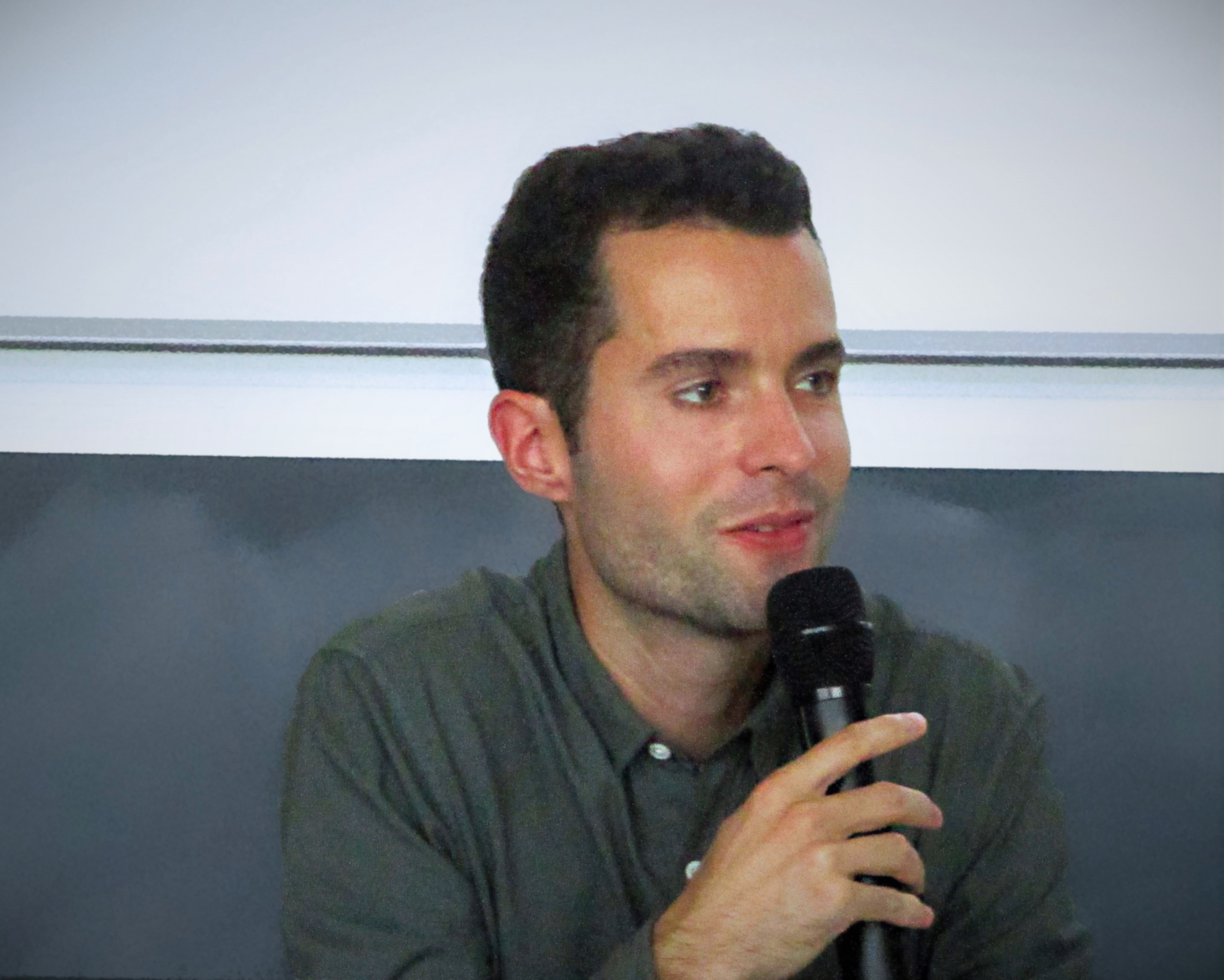
Affiliated with environmental geography, Hugo Rochard works at the interface between biodiversity and social, political, and territorial dynamics. His doctoral research focused on urban biodiversity, citizen collective action, and urban management policies in the cities of Paris and New York. Using mixed methodologies from environmental and social sciences, his work combines biodiversity data with qualitative research, examining the many interactions within socio-ecological systems.
Between 2024 and 2026, within the IMPACT project and together with Joelle Salomon-Cavin, Hugo Rochard is involved in Work Package 4, which examines the role of parasites in environmental governance in relation to the perceptions of territorial stakeholders. He is conducting research in the Lake Geneva region (Switzerland) to better understand social perceptions, imaginaries, and management practices concerning parasites. The status of parasitology within the biological sciences is also examined to understand why these organisms are marginalized in biodiversity conservation policies, even though they reveal complex relationships between living organisms, societies, and environments. As a member of Work Package 4, he facilitates exchanges within the international working group and contributes to international comparisons (Switzerland, Norway) regarding the inclusion of parasites in conservation policies at different scales.
At the Institute of Geography and Sustainability, he coordinates the "Knowledge and Techniques" research seminar alongside Valérie Boisvert.
He is also involved in several courses in the Faculty of Geosciences and Environment at the University of Lausanne, focusing on geography and environmental social sciences.